
What are peptides + what do they actually do for your skin?

If you've been paying attention to the skincare conversation lately, you've likely noticed one word appearing again + again: Peptides.
With some brands building entire skincare collections around the ingredient, peptides have moved from the domain of dermatologists + ingredient enthusiasts into everyday skincare awareness. Which raises a very good question.
What exactly is a peptide + does it actually do what it claims?
What are skincare peptides?
Peptides are short chains of amino acids ~ the same building blocks that make up proteins in the body, including collagen + elastin.
When amino acids link together in a chain, they form a peptide. When many peptides link together, they form a full protein. Collagen, for example, is a protein made up of thousands of amino acids ~ but when it's broken down into smaller peptide fragments, those fragments become much more available to the skin.
This matters because of size. Peptides are small enough to penetrate the outer layer of the skin + reach the deeper layers where they can get to work ~ signalling, stimulating + supporting the skin from within.
Think of peptides as tiny messengers
They move through the skin's layers carrying instructions ~ telling your skin to produce more collagen, elastin + all the good stuff to repair what's been lost + keep things firm, smooth + hydrated.
The science is real. The results, with consistent use, are too.
What do peptides do for skin?
Not all peptides function in the same way. Different types of peptides interact with the skin differently, which is why you'll see them across such a wide range of skincare products.

Signal peptides stimulate collagen + elastin production
Signal peptides work by communicating with skin cells ~ essentially sending a message that triggers the production of collagen, elastin + other structural proteins. As we age + natural collagen production slows, signal peptides offer a way to gently encourage the skin to keep building.
Palmitoyl Pentapeptide-4, commonly known as Matrixyl, is one of the most studied signal peptides in skincare. It's an ingredient you'll find in our Collagen Hydra+ Gold Elixir ~ working alongside Pure Peptide Marine Collagen to support skin firmness + reduce the visible signs of ageing.
Carrier peptides deliver key minerals to the skin
Carrier peptides transport trace elements ~ like copper + manganese ~ deeper into the skin where they support wound healing, collagen synthesis + overall skin repair. They're quieter in action but important in formulation.
Neurotransmitter peptides help relax expression lines
Sometimes referred to as "botox-like" peptides, these work by reducing the muscle contractions that contribute to expression lines over time. They're a gentler, topical approach to the appearance of dynamic wrinkles.
Marine collagen peptides replenish + hydrate the skin
Marine collagen peptides ~ derived from fish collagen ~ are hydrolysed, meaning the collagen protein has been broken down into smaller peptide fragments for better absorption. Applied topically, they replenish the skin's surface, support hydration + help stimulate the skin's own collagen activity.
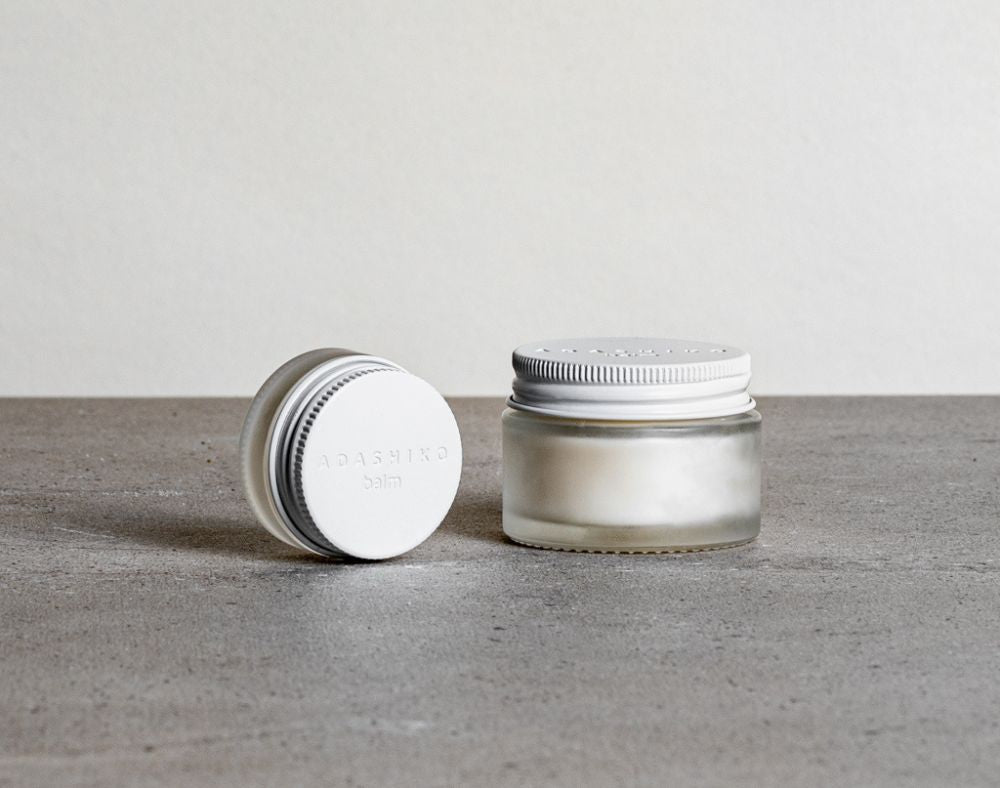
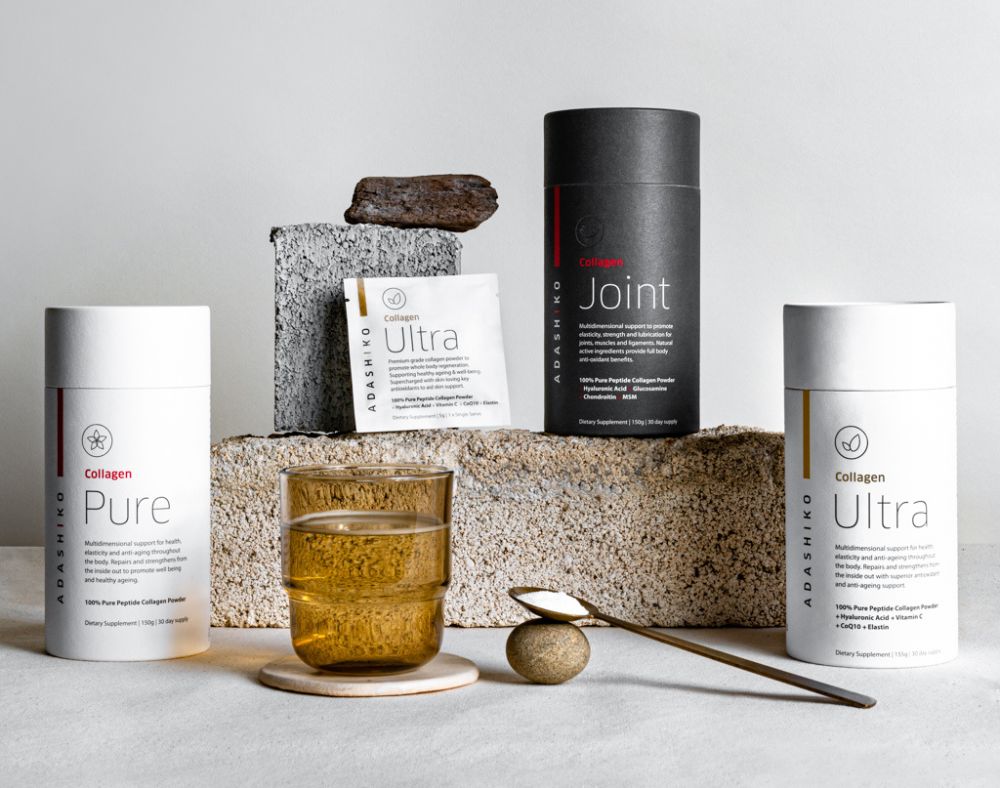
Pure Peptide Marine Collagen is the hero peptide ingredient across the Adashiko skincare collection. You'll find it in our Collagen Cleanse, Collagen + Noni Gel, Collagen Hydra+ Gold Elixir, Collagen Hydra+ Multi Mist, Collagen Ceramide+ Body Serum, Triple Ceramide Hand + Body, Collagen Balm + Collagen Gel Cloth Masques ~ formulated to deliver peptide support from cleanse through to treatment, across both face + body.
Why peptide size matters for skincare absorption
One of the reasons peptides have become such a focus in skincare formulation is their molecular size. Traditional collagen molecules are too large to penetrate the skin's outer layer ~ they sit on the surface, offering some hydration but limited deeper action.
Peptides, by contrast, are small enough to move through the skin barrier + reach the dermal layers where collagen production happens. This is why hydrolysed collagen peptides ~ broken down from larger collagen proteins ~ are used in effective skincare formulations rather than collagen in its full, unmodified form.
Are peptides suitable for all skin types?
Generally, yes. Peptides are considered well-tolerated + suitable for most skin types, including sensitive skin. They're non-irritating, work gradually + are compatible with most other skincare ingredients.
They're particularly supportive for skin that is experiencing the early signs of ageing, loss of firmness, dehydration or uneven texture ~ making them a relevant ingredient across a wide range of ages + skin concerns.

Peptides in skincare: what to look for on an ingredient list
If you'd like to identify peptides in your skincare, look for ingredient names that include the words "peptide," "peptides" or "palmitoyl" ~ or the prefix "hydrolysed" before a protein source (such as Hydrolysed Marine Collagen or Hydrolysed Silk).
Peptides work best with consistent use over time ~ results are gradual, cumulative + supported by the broader health of your skin.
Peptides are not a trend. They're a foundational skin ingredient.
The attention peptides are receiving right now is well-deserved ~ not because they're new, but because the science behind them is solid + the results, with consistent use, are real.
At Adashiko, Pure Peptide Marine Collagen has been at the heart of our skincare collection from the beginning. It's an ingredient we chose with intention, formulated with care + one that our lovers of Adashiko return to again + again.
Discover our full skincare collection ~ formulated with Pure Peptide Marine Collagen + additional skin-loving actives, to nourish, replenish + support your skin every day.